I’ll start with a premise: it all began with a McKinsey Newsletter, an article on the characteristics of women CEOs and why they add value to organizations. I had an intuition—something didn’t sit right—and I went back to reread other articles from other newsletters. I asked ChatGPT to help me with the analysis, but nothing—I ended up arguing through prompts! It wasn’t getting the point; it kept reproducing the exact same biases I was trying to uncover between the lines of those newsletters.
Then I told “Sam” (that’s what I call my GPTs) to reflect on the articles I was presenting… whether it noticed that the same attributes kept recurring for women CEOs. And here we are with this reflection.

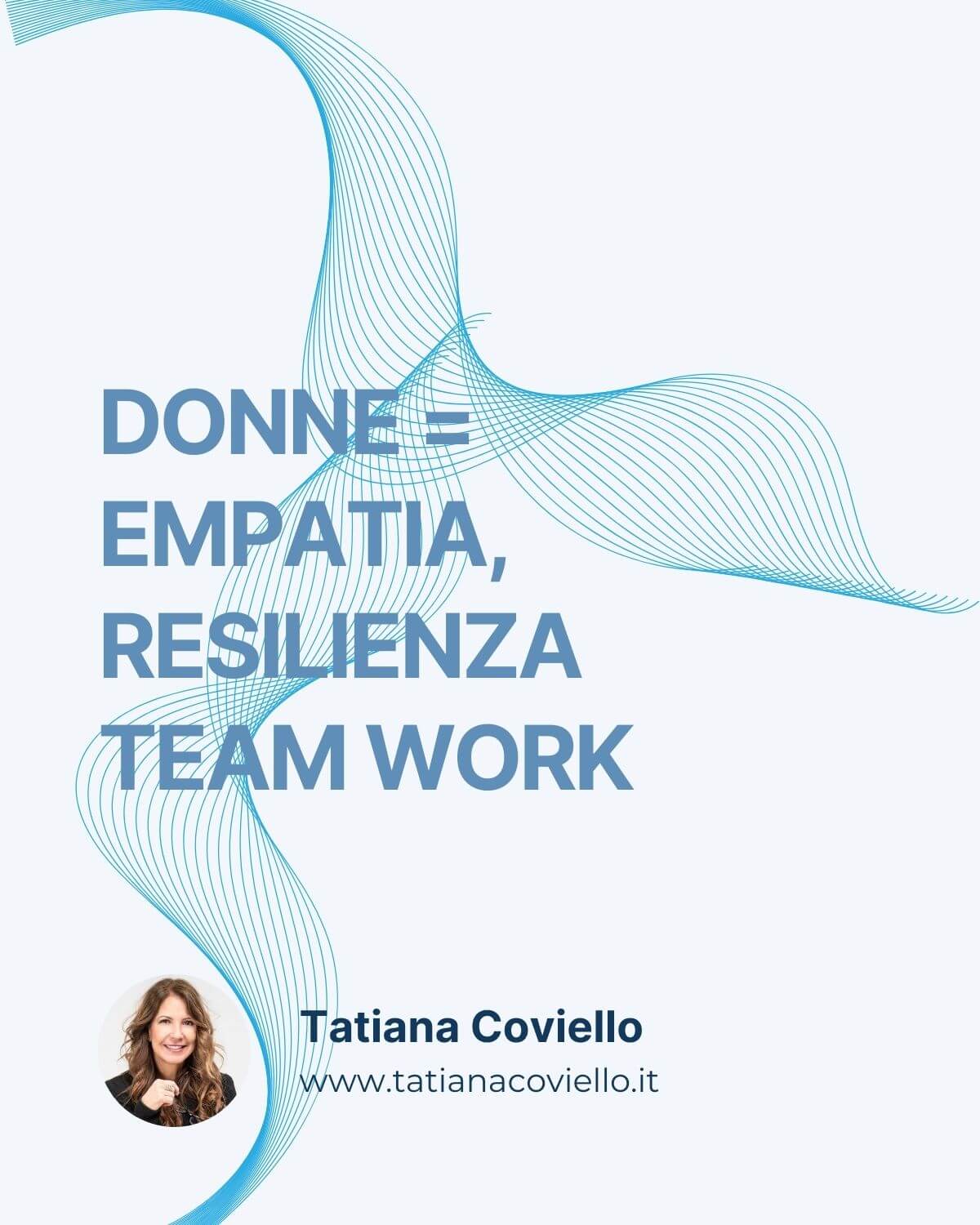
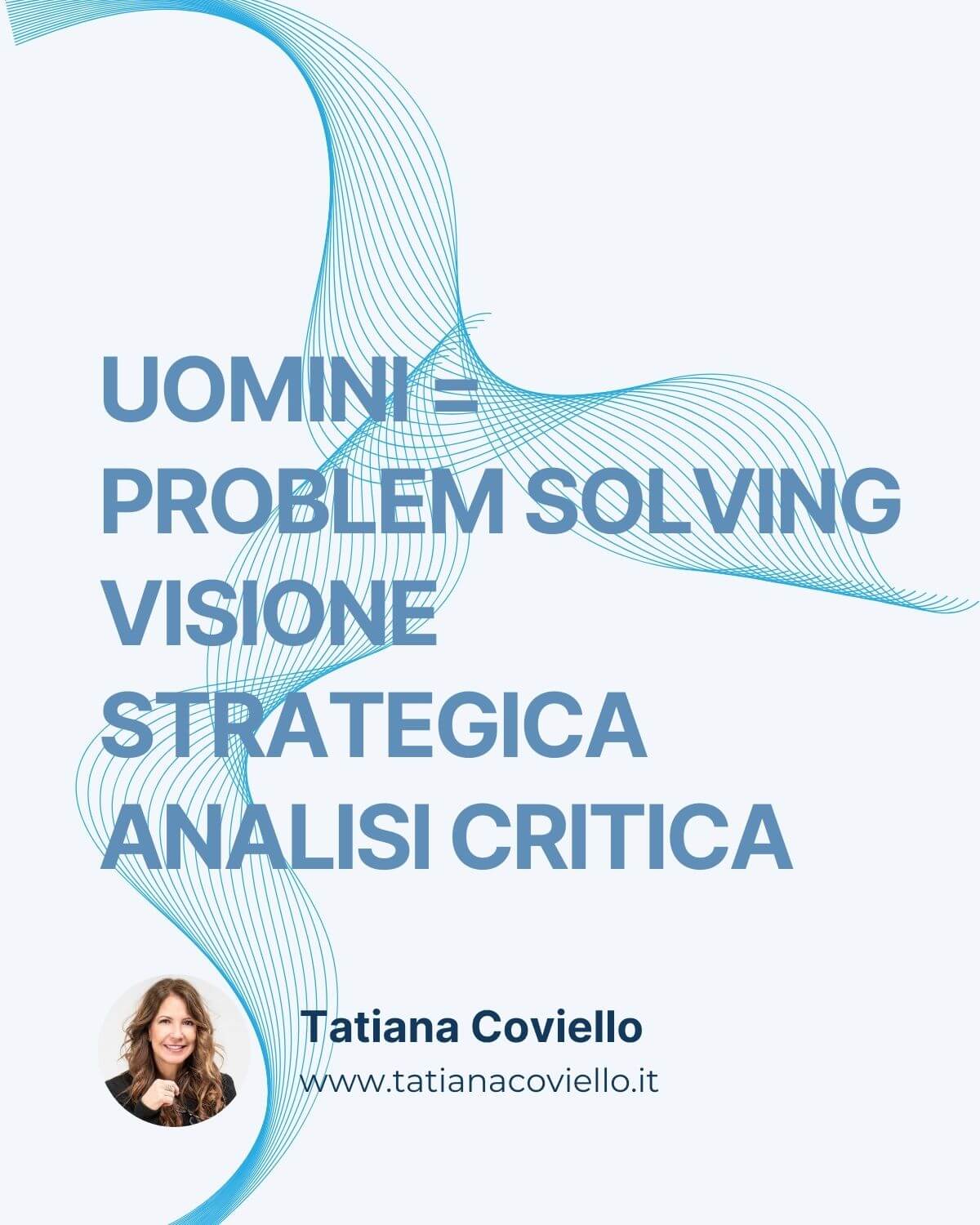
In my career, I have worked with seven CEOs, two of whom were extraordinary women; I still work with the second one today. This experience has made me notice certain nuances of leadership and how gender influences the narrative surrounding it—and the fact that I appreciated and appreciate these women not for their empathy or their resilience or their ability to work in teams—yes, that too—but I appreciated and appreciate them above all for their strategic vision, their analytical ability, and their problem-solving capacity, as well as that determination to see changes through to the end, taking full responsibility for them. This is the point. And this is why I feel nauseated every time I read an article about women CEOs.
Despite good intentions, many articles, blogs, and podcasts describe and portray women leaders primarily as examples of work-life balance, resilience, and empathy. This narrative, though positive in intent, risks trapping us in limiting stereotypes, failing to represent the complexity and variety of women’s competencies—and where, let’s be honest, we have much more to offer than empathetic leadership focused on organizational climate!
This is what I uncovered in the newsletters I received
In the first five months of 2025, several authoritative publications (I’m subscribed to their newsletters and counted them all) published articles on CEOs, revealing clear gender biases:
- Harvard Business Review (15 articles): Male CEOs described with emphasis on strategic vision and results orientation; women CEOs emphasized for empathy, resilience, and relational management.
- McKinsey & Company published at least two articles focused on women CEOs. “The Inner Game of Women CEOs” explores how women leaders navigate leadership transitions and overcome limiting mindsets, emphasizing competencies such as self-awareness and resilience. “To Climb to the Top, Women Should Focus on Skill Building” discusses the importance for women of building their experience capital to advance their careers. Both articles emphasize the relational qualities of women leaders, such as empathy and resilience, but continue to reinforce gender stereotypes by focusing less on aspects such as strategic vision and results orientation.
- New York Times (12 articles): Male CEOs focused on innovation and concrete results; women CEOs highlighted for work-life balance (and here I go from nausea to vomiting).
Studies on the narrative directed at women CEOs
Recent studies, such as those conducted by Stanford Graduate School of Business and published in SAGE Journals, clearly show that the predominant narrative about women CEOs tends to emphasize qualities such as empathy and collaboration rather than strategic and decision-making competencies.
It is precisely this narrative, seemingly positive, that may contribute to the fact that women are not sufficiently considered for top positions such as CEO.
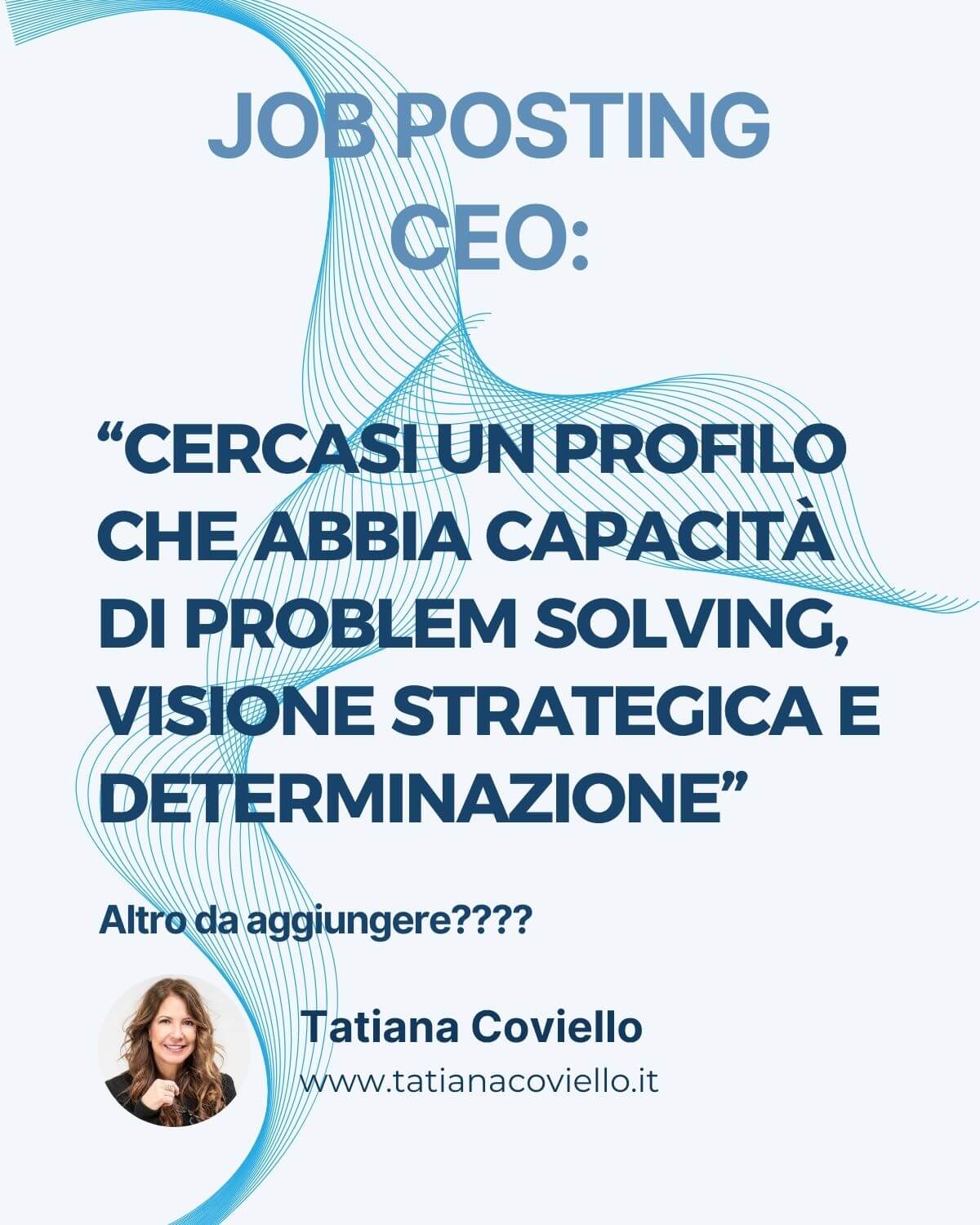
What are the characteristics primarily required of CEOs? Strategic vision, problem-solving ability, decisiveness. It is rare for empathy and resilience to appear prominently in job postings for CEO positions.
The same narrative, seemingly favorable to women, ultimately ends up indirectly excluding them from top-level roles. I have reached my conclusion.
Bias: A Female Burden
These data show how narratives about business leaders are strongly influenced by gender, assigning men qualities considered strategic and results-oriented, while women are attributed qualities related to empathy and work-life balance.
This differential treatment reinforces stereotypes that can limit the perception of women leaders’ strategic and decision-making capabilities.
If a woman does not reflect these stereotypes, she risks being labeled as aggressive or disinclined toward relationships, compromising the perception of her professional capabilities. The worst part? The authors of the articles are predominantly women!
Here it is: we women ourselves perpetuate the same stereotypes from which we want to break free.
When I think of my first CEO, I clearly remember saying to Bettina Wuerth, “I would very much like to accept your offer, but the selection process lasted five months and in the meantime I’m pregnant!” And her response was: “So what? You’re pregnant, not sick!” There was no need to reiterate that I would be 100% committed to my new job, that I would give my best—a man doesn’t do that and doesn’t feel obligated to, even though I’ve seen many men become much less available at work when a child is born.
Why does a woman, when she has to travel for work, possibly say she can’t organize things with the children, feeling obligated to explain why, while a man says he can’t at this time, period.
The Additional Pressure and Inequity of the Path
There is no doubt that women leaders face significant additional pressure, stemming not only from the social and cultural context but also from internal expectations of having to excel simultaneously at work and in personal life. This pressure generates a sense of constant guilt and a feeling of ineffectiveness when they fail to meet unrealistic standards. I have never heard a male CEO boss of mine say, “I feel like I’m neglecting my children,” or “I’m taking a week off to make up for the time I don’t spend with my son”—never. I have heard male CEOs say instead, “I’m taking a week off to do my mountain trail; I need to recharge.” Never ever has one of the two women CEOs told me, “I’m going on a solo vacation to catch my breath”—it’s not allowed; it would be selfish and out of place. We don’t even remotely consider it, and if we do, a few seconds later, we feel guilty.
Personally, I have experienced this pressure multiple times during my career, often feeling ineffective both professionally and personally. I remember an emblematic example: a male CEO was praised for finding personal balance through sports, while a woman who dedicated herself in the same way would have been perceived as selfish, because she is expected first and foremost to take care of others after work—and if on Wednesday evening and Saturday morning I go to my personal trainer Massimo, then I’m asked, “How do you manage to do everything?”
I DON’T do everything: I ONLY go twice a week for an hour to my personal trainer! And when I travel for work, how many times have I been asked: “How did you organize things with your son?” but my male CEO boss was never asked the same question. For heaven’s sake! Enough! We can’t take it anymore.
And if you don’t have a family?
Then with contempt they will whisper in the corridors, “She gave up everything for work; she is her work; she has nothing else, but maybe a man would do her good from time to time.” Fierce criticism for having “given up” personal life in favor of career, further reinforcing unfair and stereotypical narratives—criticism that a man would never receive because he’s “someone who knows how to enjoy life to the fullest!”
The Myth of the “Superwoman”
“You really are a superwoman”—I hear it said and I say it to my boss, yes, because we have to be in order to survive, and we are, apparently. Then when we’re alone, when we’ve put the children to bed, when we’ve reread the latest income statement analysis, then we collapse and tell ourselves, “I can’t do this anymore! I’m throwing it all away,” only to start again the next day a little more tired than the day before, and we wait for summer to arrive so we can truly disconnect, at least a little, maybe.
The “superwoman” ideal imposes this unsustainable double standard on women: having to excel simultaneously on multiple fronts. This standard generates stress and frustration, negatively affecting women’s mental health and professional performance.
It is a vicious cycle that makes women’s path to success unjustly arduous and extremely inequitable.